❤️ Coronary Arteries: Why Are They Linked to Heart Disease?
Many people hear the term "coronary artery" only when heart disease is mentioned.
This is not a coincidence.
Coronary arteries are directly responsible for feeding the heart itself.
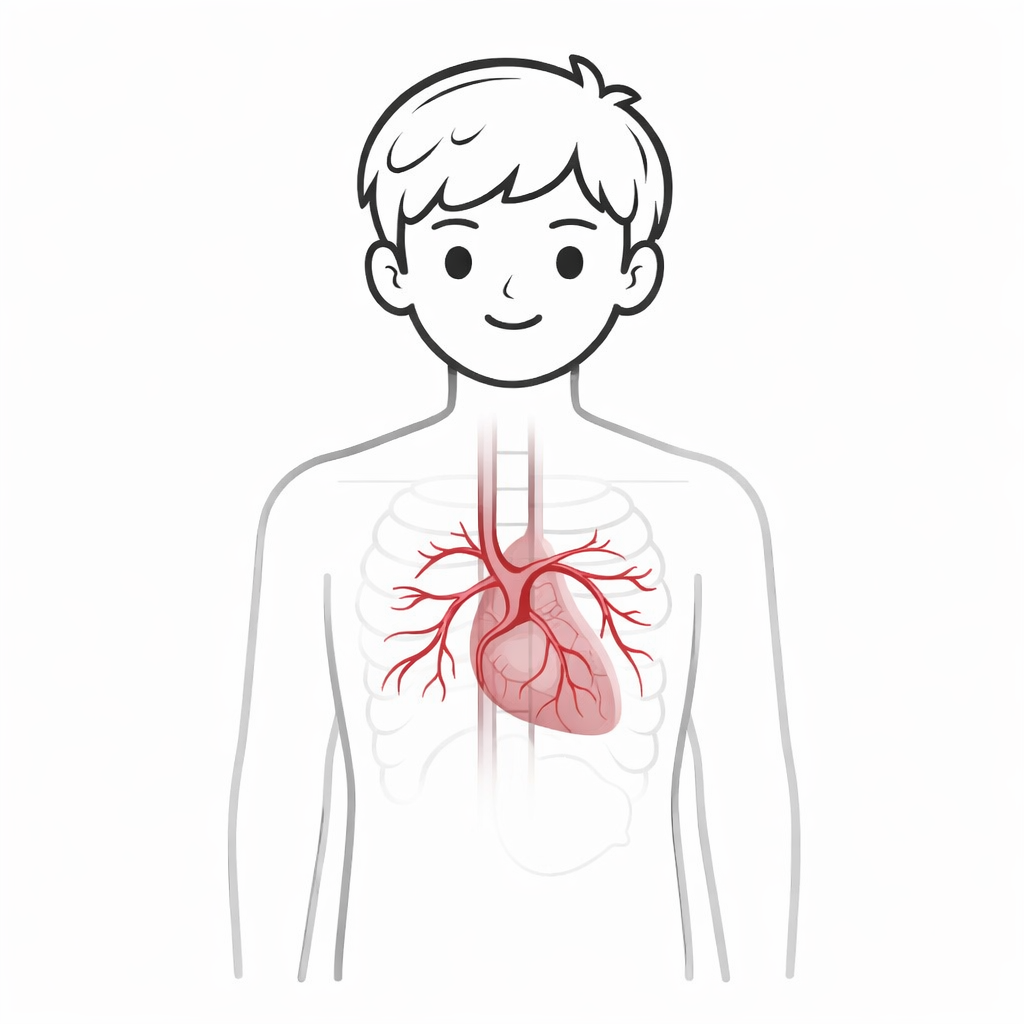
This illustration is a simplified visual map for educational purposes, not a medical diagram.
🩸 What Are Coronary Arteries?
Coronary arteries are the blood vessels that supply blood to the heart muscle.
They:
- Wrap around the outside of the heart
- Deliver oxygen and nutrients to heart muscle cells
- Keep the heart strong enough to pump blood
Without coronary arteries, the heart cannot function.
Why the Heart Needs Its Own Blood Supply
The heart is a muscle that works nonstop.
Even though it pumps blood to the whole body, the heart cannot use that blood for itself.
It needs a separate system — the coronary arteries — to stay alive.
What Happens When a Coronary Artery Narrows?
Over time, fatty deposits called plaque can build up inside a coronary artery.
When this happens:
- Less blood reaches the heart muscle
- The heart gets less oxygen
- Chest discomfort may appear during activity
This condition is called coronary artery disease.
What Causes a Heart Attack?
A heart attack happens when a coronary artery becomes suddenly blocked.
This usually occurs when:
- A plaque breaks open
- A blood clot forms
- Blood flow to part of the heart stops
Without oxygen, heart muscle cells begin to die within minutes.
Why Other Arteries Don't Cause Heart Attacks
Blockages in other arteries affect other organs.
Blockages in coronary arteries affect the heart itself.
Because the heart controls blood flow to the entire body, damage to it can quickly become life-threatening.
Why Coronary Arteries Are Easy to Miss
Coronary arteries:
- Are small
- Sit on the surface of the heart
- Can narrow silently over many years
This is why heart disease may progress without obvious warning signs.
Key Takeaway
Coronary arteries feed the heart muscle.
When they narrow or block, the heart is starved of oxygen — leading to heart disease or heart attack.
References
- American Heart Association — Coronary Artery Disease
- Mayo Clinic — Coronary artery disease
- National Heart, Lung, and Blood Institute — What Is Coronary Heart Disease?